deconstruction
Discover
Our Deconstruction Whakatauki
Every building has a story. The materials it was built with, the people who used it, and the communities it became part of all hold value long after a structure reaches the end of its life.
At TROW Group, we believe that value should not be lost when a building comes down.
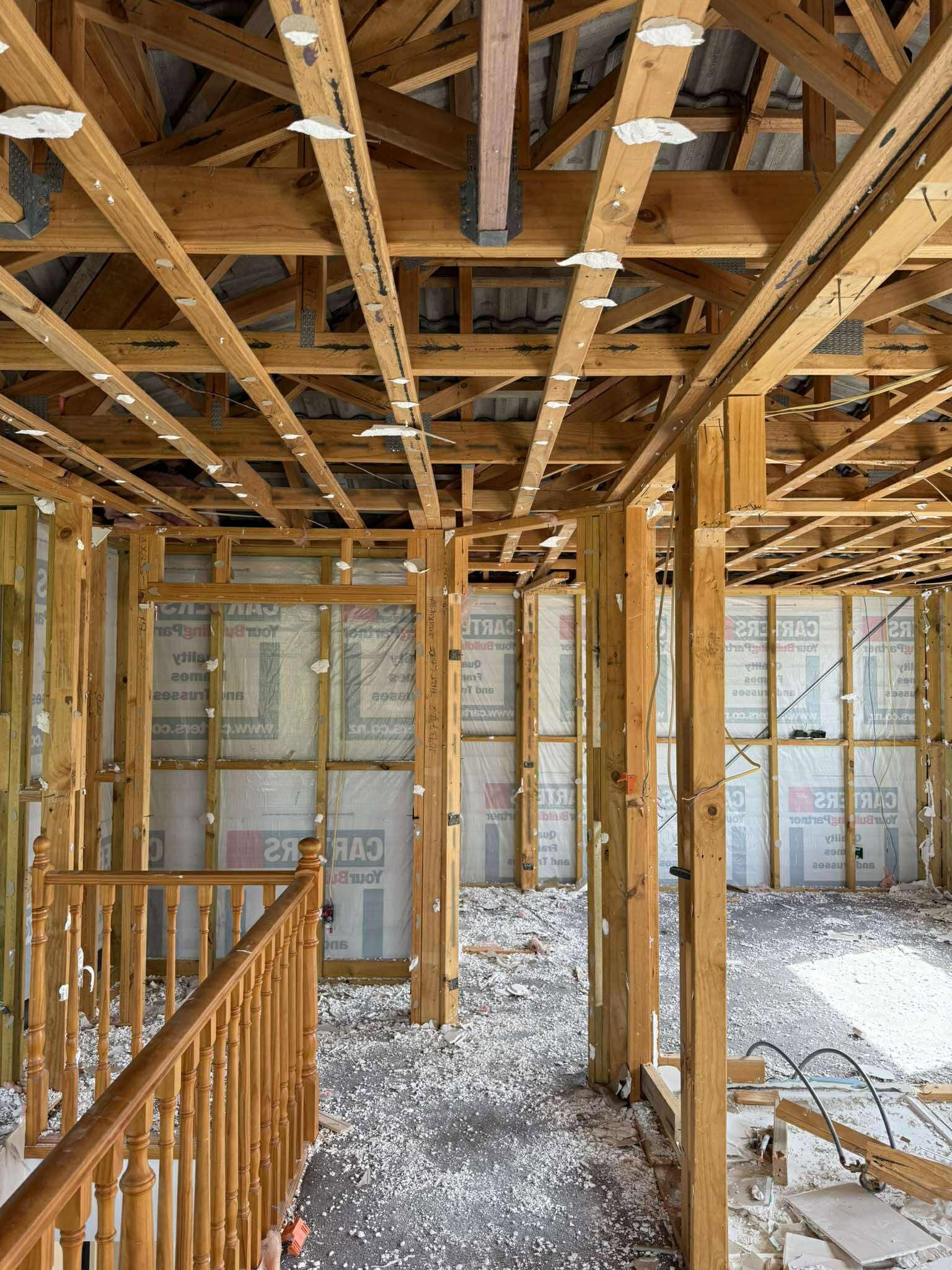
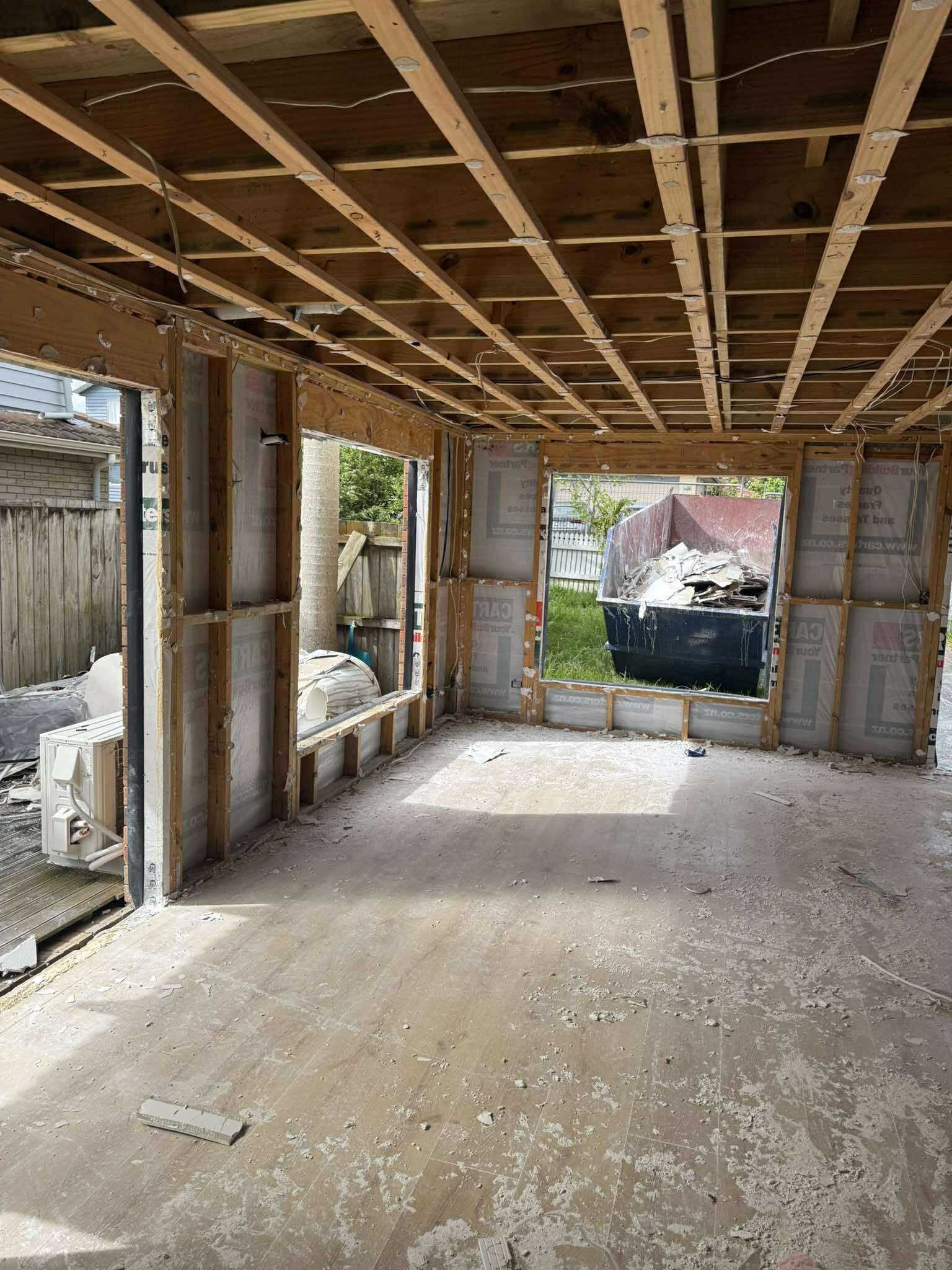
DECONSTRUCTION STATEMENT
We are one of Aotearoa New Zealand’s leading commercial deconstruction and resource recovery specialists. Our mahi focuses on carefully dismantling buildings, recovering valuable materials and finding opportunities for those resources to serve a new purpose. From residential housing and multi-storey commercial buildings to large-scale infrastructure projects, we work to reduce construction waste while creating environmental, economic and social value.
Our approach is grounded in a simple principle: what has already been built can continue to contribute to what comes next.
As a Māori and Pasifika-owned and operated business, we bring our own perspectives on people, place, resources and responsibility to an industry that has traditionally prioritised the removal of buildings over the recovery of what they contain. Those perspectives are grounded in the blueprint of the ways our ancestors used to survive, which was to reuse and recycle all resources you can to survive. We took that concept and modernised it into sustainable solutions to today’s landfill crisis.
Deconstruction gives us the opportunity to do things differently. It allows us to rethink waste, extend the life of valuable resources and create pathways for materials, skills and opportunities to move between communitie
Our Expertise Includes:
- Commercial, industrial and residential deconstruction of single – and multi-level sites
- Certified asbestos consultancy including testing, monitoring and removal
- Partial or full demolition
- Internal deconstruction or demolition.
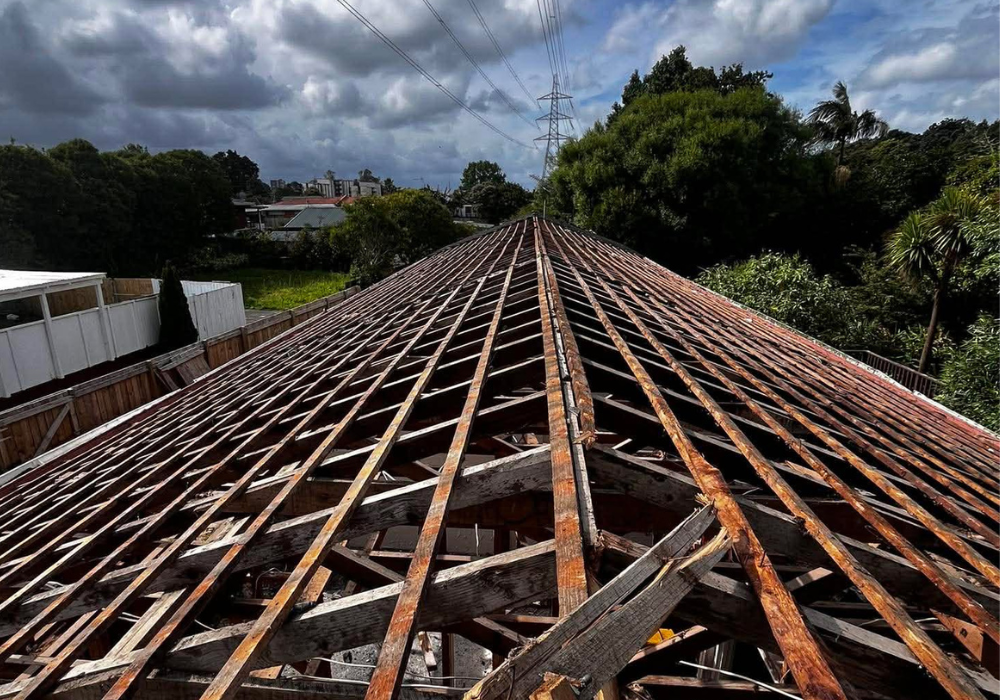
WHAT IS DECONSTRUCTION?
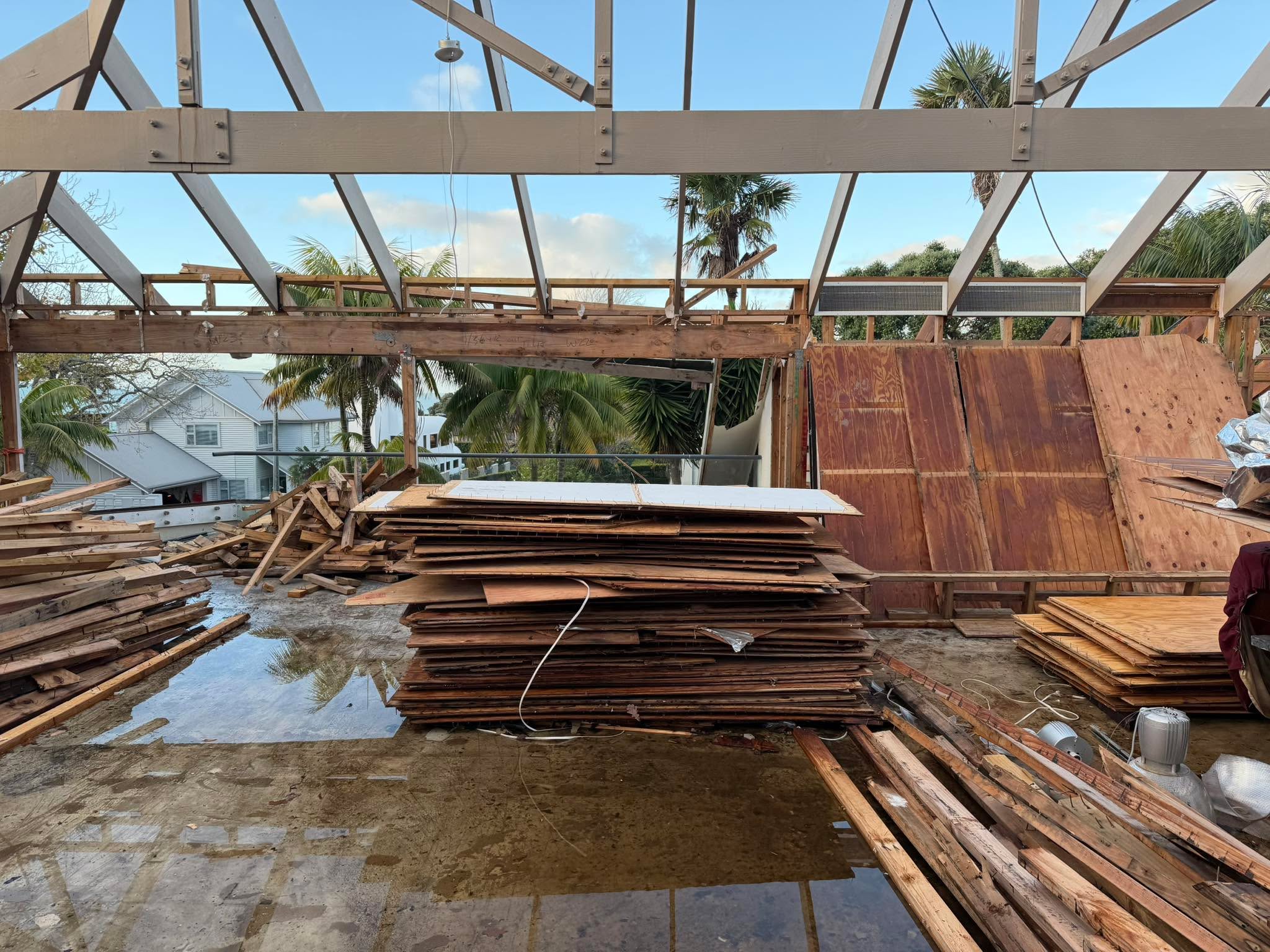
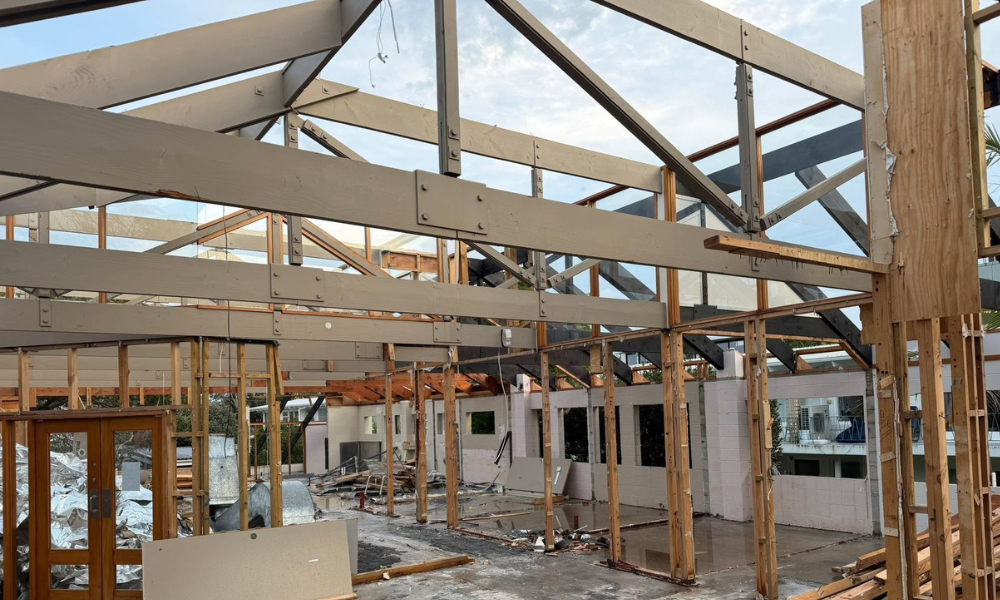
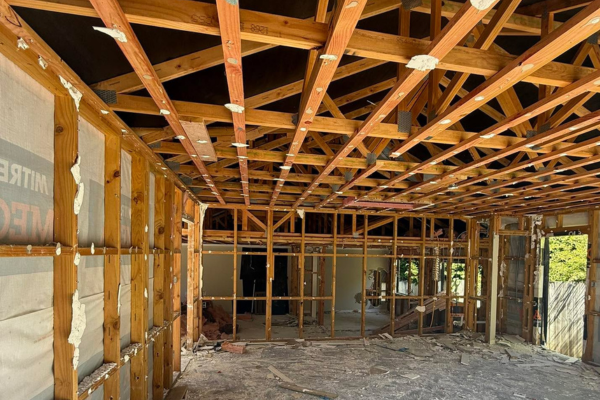
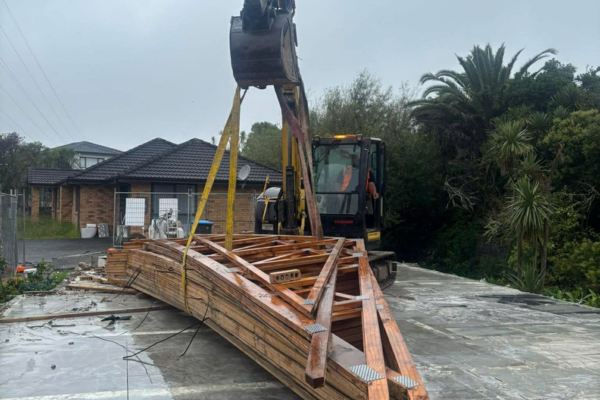
Deconstruction is the systematic dismantling of a building or structure to recover as much of its usable material as possible. Rather than relying solely on mechanical demolition, it involves a planned process of assessing, removing, sorting and recovering building components for reuse, recycling and other appropriate recovery pathways.
Buildings contain a wide range of resources, including timber, roofing, fixtures, fittings, appliances, structural materials and other components that may retain value long after their original use.
When these materials are mixed together and sent directly to landfill, opportunities for their continued use can be lost. Deconstruction creates a pathway to identify that value before it disappears.
At TROW, every project requires a considered approach. Our teams assess the building, identify recoverable materials, plan the sequence of works and determine appropriate pathways for the resources we recover. This takes place alongside the health, safety, environmental and logistical requirements of each site.
Commercial and industrial deconstruction:
The planned dismantling of commercial buildings, industrial facilities and complex structures, with a focus on recovering reusable materials, managing waste responsibly and meeting the specific health, safety and environmental requirements of each project.
Residential deconstruction:
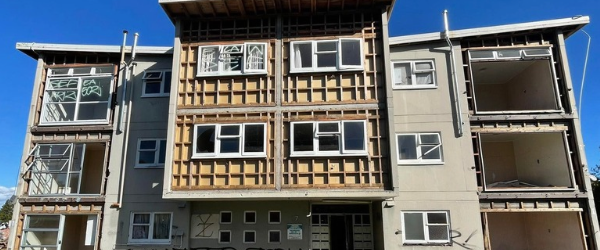
Recovering materials from individual houses, multi-unit developments and large residential programmes. Our approach considers the condition of each property, the materials available for recovery and opportunities to divert resources from landfill through reuse, recycling and redistribution.


Selective and internal deconstruction:
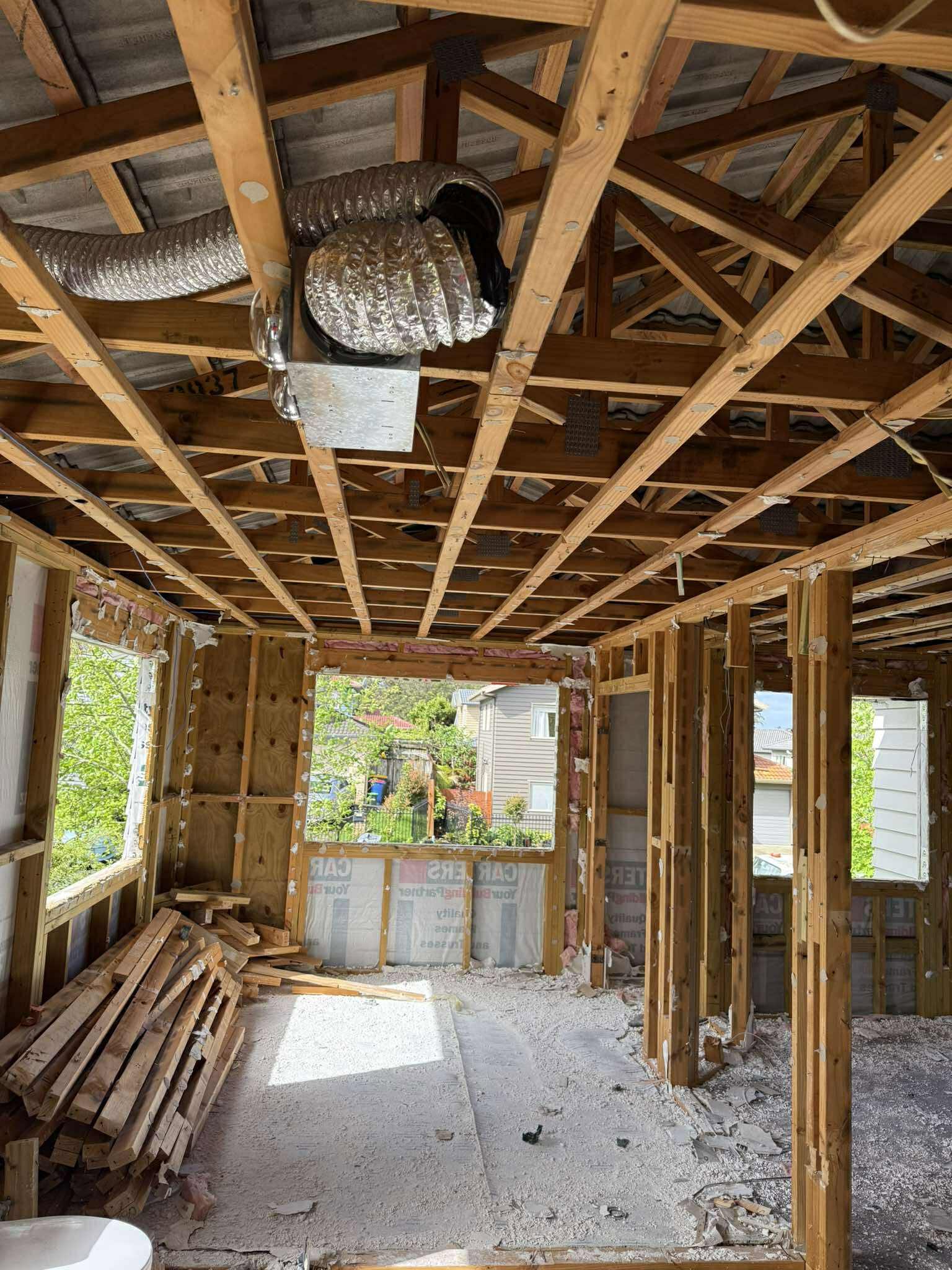
The careful removal of selected building elements, fixtures, fittings and internal components while retaining the structures or materials that need to remain in place. This can include internal soft-stripping, targeted dismantling and the removal of specific components to support renovations, redevelopment or wider construction works.
Resource recovery:
Identifying and managing opportunities for recovered materials to be reused, repurposed, recycled or redirected to suitable recipients. Assessing materials throughout the deconstruction process, helps extend their useful life, reduce waste and connect recoverable resources with community organisations, businesses and other projects where they can be put to use.

Demolition and site clearance:
Delivering the wider removal and clearance requirements of projects that involve a combination of deconstruction, demolition and associated works. This includes coordinating the removal of remaining structures and materials, managing waste streams and preparing sites for their next stage of development, in line with project requirements.
Asbestos-related services:
Coordinating specialist assessment, monitoring and removal of asbestos-containing materials as part of the deconstruction process, including licensed asbestos removal where required to meet relevant health, safety and regulatory requirements.
Deconstruction is not a single method applied to every building. It is a project-specific process that balances material recovery with practical delivery requirements, site conditions, programme constraints and safety.
For TROW, that means approaching each building with a plan for what can be recovered, how it can be handled and where its value can be carried forward.
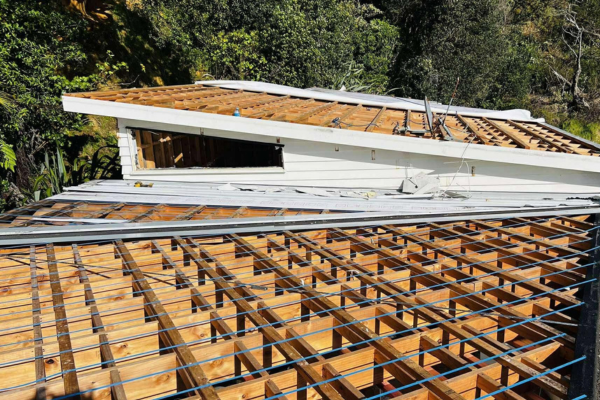
Our capability and technical expertise
Safe, planned and professional delivery.
Sustainable outcomes depend on sound operational delivery. Every deconstruction project must be planned around the building, the site, the people involved and the requirements of the client.
TROW combines practical deconstruction experience with resource recovery planning, specialist coordination and project management to deliver work across a range of scales and environments.
Our capability includes:
- Project planning and staged deconstruction methodologies.
- Residential, commercial, industrial and multi-storey building deconstruction.
- Material identification, salvage planning and recovery reporting.
Coordination of specialist trades and asbestos-related work. - Site establishment, exclusion zones and public safety controls.
- Environmental management and responsible material handling.
- Coordination with clients, contractors, neighbours and other stakeholders.
- Material sorting, transportation and appropriate recovery pathways.
- Site clearance and associated works where required by the project.
Our methods are tailored to the conditions and objectives of each project. This includes consideration of structural conditions, access constraints, neighbouring properties, weather, programme requirements and the presence of hazardous materials.
We place health and safety at the centre of our work and maintain systems to support quality, environmental and occupational health and safety management.
TROW holds ISO 9001, ISO 14001 and ISO 45001 certifications, alongside other relevant prequalification and industry credentials. Our current certifications and their applicable scopes should be confirmed before publication.
Our objective is to deliver projects that meet client requirements while maximising appropriate recovery opportunities and managing risks responsibly.
CONNECTING RECOVERY WITH COMMUNITY NEED
Our approach recognises that the construction sector and the communities around it do not always have the same access to resources.
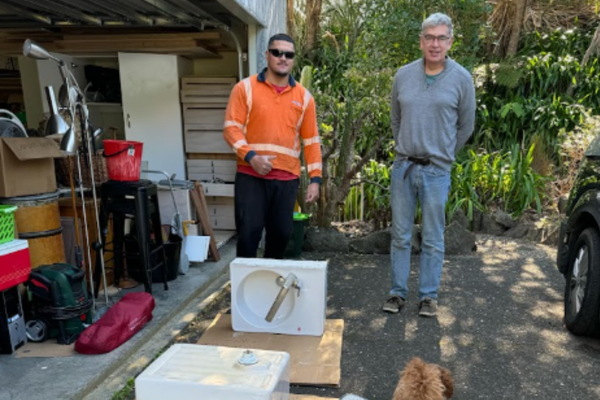
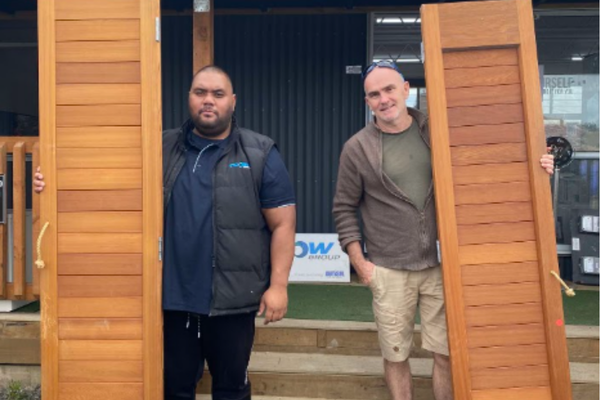
Materials that are surplus to one project may be useful to another organisation.
Creating connections between those two needs takes coordination, relationships and an understanding of what can realistically be recovered.
Through our partnerships and community initiatives, we seek to make these connections wherever possible.
This can help extend the life of existing materials, reduce disposal and support projects that deliver value for local communities.
We also recognise that reuse depends on demand, condition, transport, storage and suitability.
Responsible recovery means finding the right destination for a material, not simply moving it somewhere else.
For TROW, the goal is to create recovery pathways that work in practice and contribute to a more connected circular economy.
DECONSTRUCTION WITH COMMUNITY AT HEART
A building can hold decades of memories, relationships and community activity. Its removal may be part of a necessary redevelopment, but the transition can still have meaning for the people connected to it.
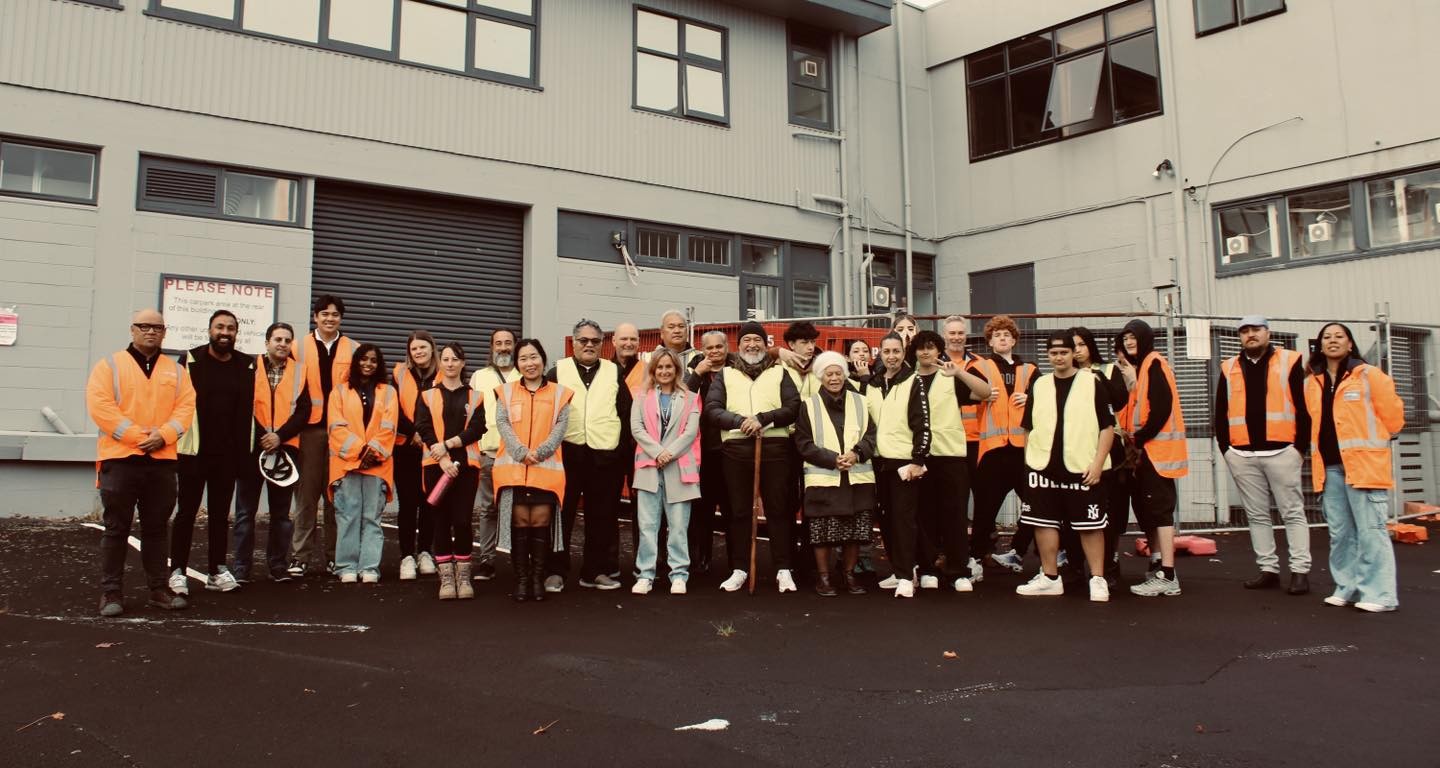
TROW aims to consider the wider community context of our projects and identify opportunities to contribute positively throughout the process.
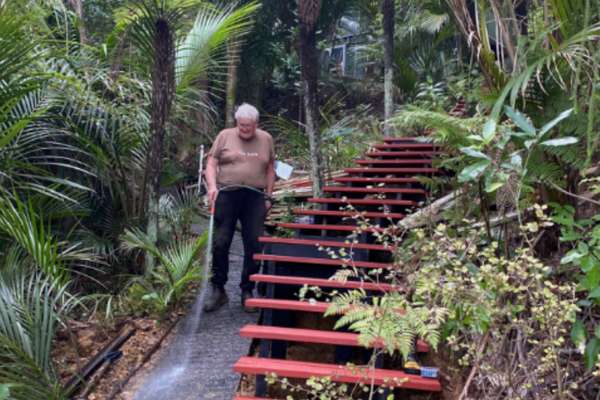
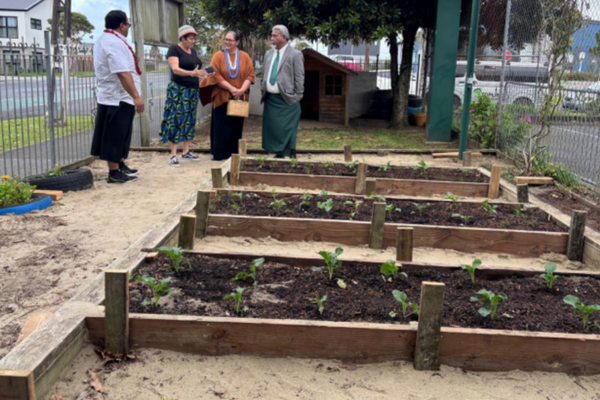
Depending on the project, this can involve community engagement, material donations, local partnerships, employment opportunities and initiatives that allow people to connect with the next stage of a site’s story.
P.O.P Up Maketi 828
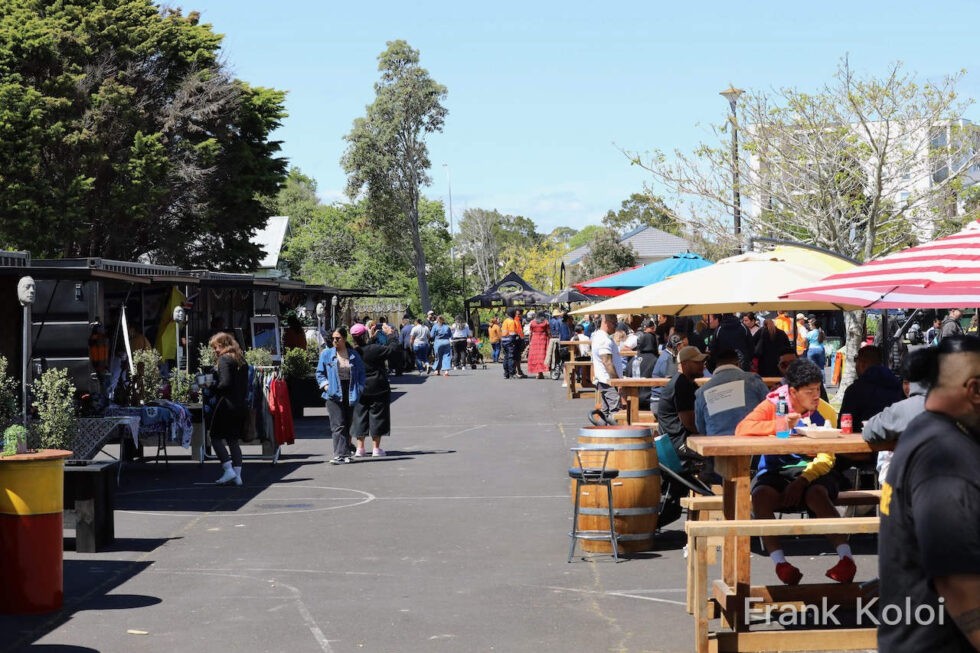
In the wake of Covid-19, Trow Group redeveloped a Kāinga Ora space in Avondale into a vibrant pop up market. For six weeks, ‘P.O.P Up Maketi 828’ connected, celebrated and promoted Pasifika and Māori businesses while encouraging sustainability and entrepreneurship. TROW Group built the market’s infrastructure and invited people to showcase their businesses and sell goods or services for free – there was no stallholder fee.
P.O.P Up Maketi 834
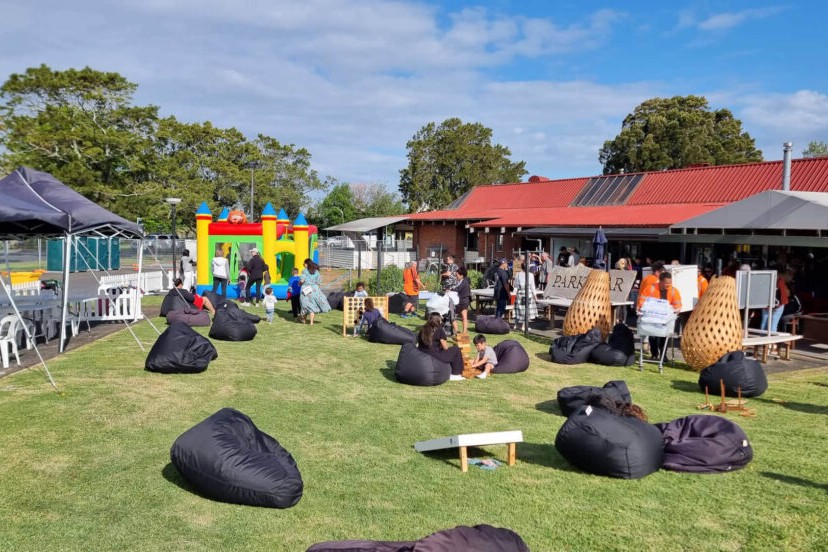
What an outcome we had thanks to the Te Atatū Community who came out to farewell the iconic, the great, and the pillar of the community – The Te Atatū Tavern! We had the enjoyment of watching our beautiful tamariki immerse themselves in all the festivities the Maketi had to offer – from having fun in our colourful bouncy castle to then being led to vs each other in our giant lawn games to then heading over to our face painter for the kids
DECONSTRUCTION WITH COMMUNITY AT HEART
Our projects take place in communities with their own histories, identities and relationships to the surrounding environment.
Where appropriate, we recognise the significance of a site through engagement with relevant people, cultural processes and project-specific practices, including blessings where arranged with the appropriate representatives.
We approach this with respect for the people and places involved, recognising that each project has its own context.
Our responsibility is to deliver the work safely and professionally while remaining mindful of the people who experience its effects.