
Back
Relocation
MURIWAI – RELOCATION OVERVIEW
Project Overview:
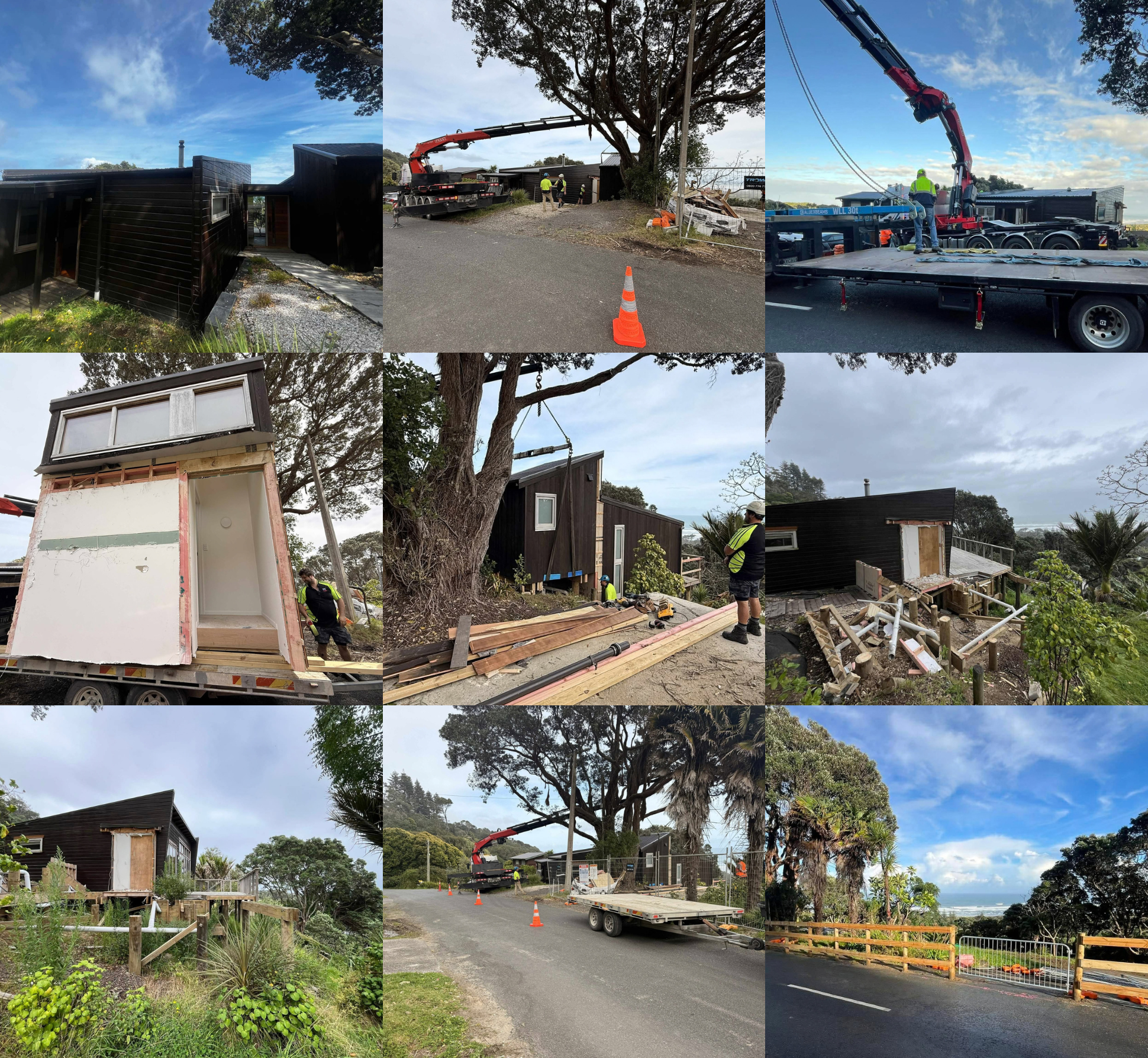
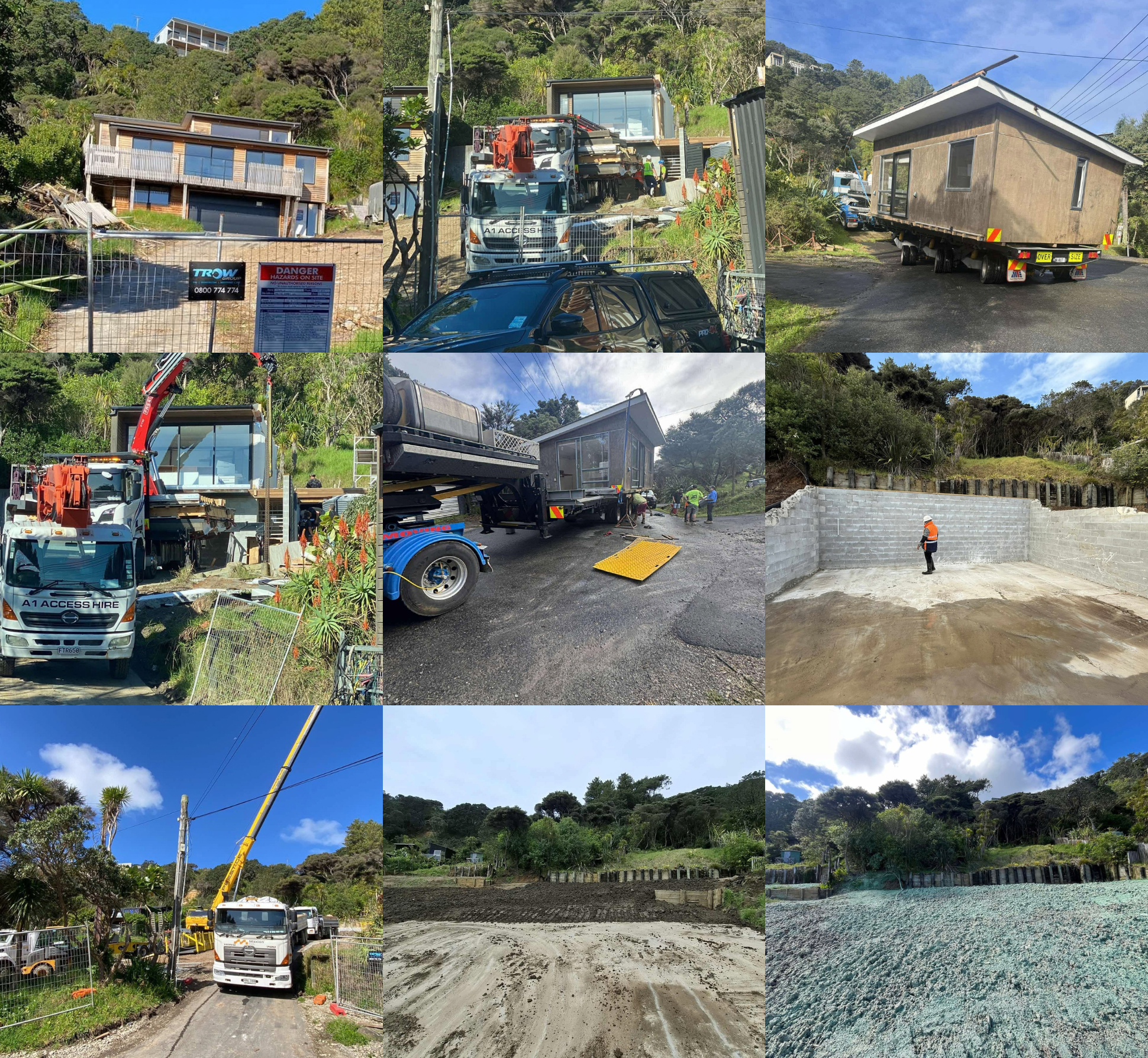
The Muriwai Cluster saw four homes successfully relocated following the Auckland storm and flood events, giving each of these homes an opportunity for a second life rather than being demolished and sent to landfill.
While smaller in scale than the Massey Cluster, the Muriwai relocations came with their own set of challenges. Muriwai’s narrow, winding roads, limited access and quieter residential environment meant moving an entire house through the area required careful planning and coordination. There was less room for error when navigating tight roads, managing traffic and positioning transport equipment, particularly around bends, intersections and residential access points.
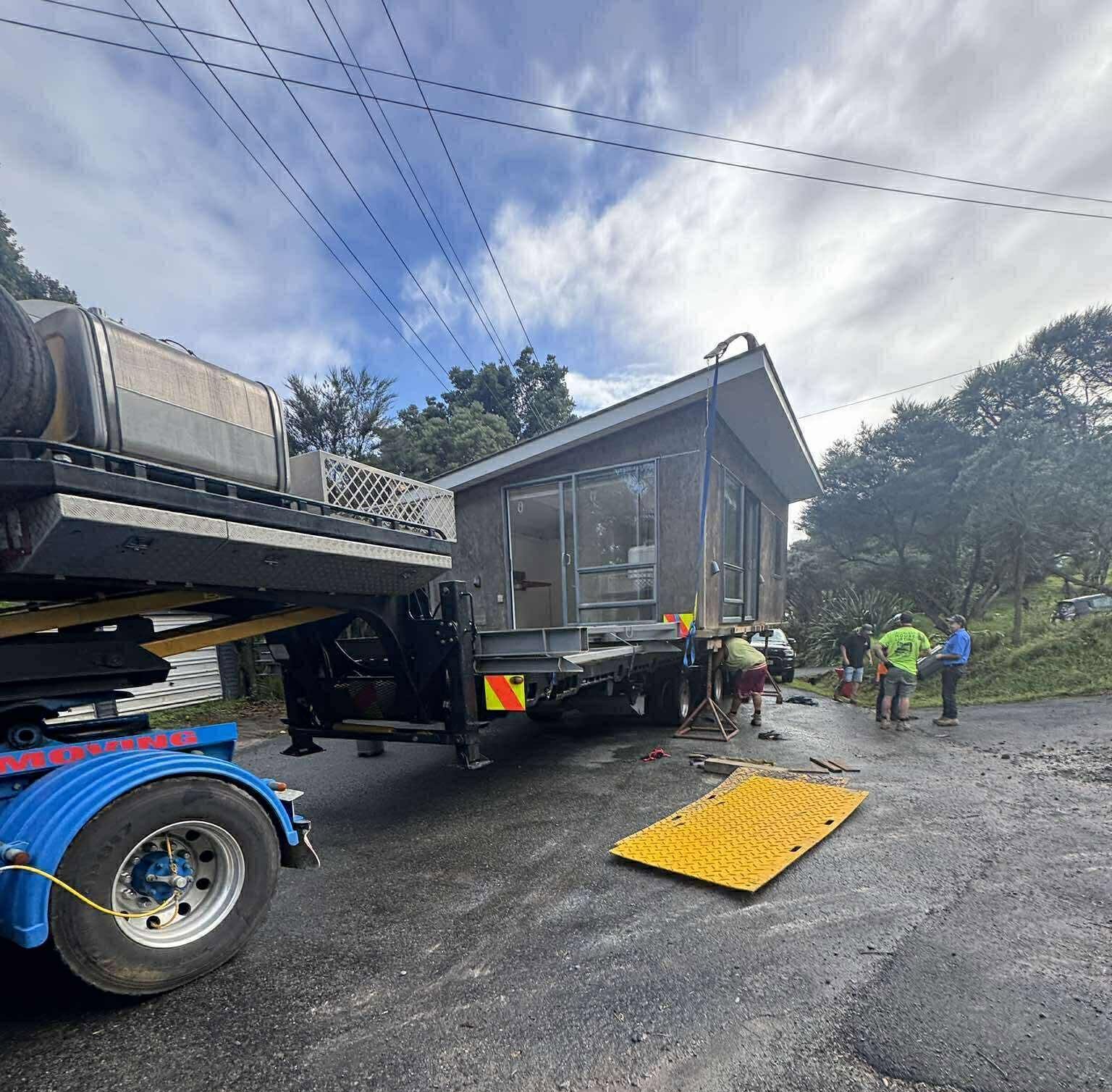
The location also meant being mindful of the character of the community. Muriwai is a relatively quiet coastal area, so the arrival of heavy vehicles, traffic management and house movements could create a noticeable disruption for local residents. Rather than treating this as an unavoidable part of the process, the TROW team worked to minimise the impact wherever possible.
Neighbouring properties were provided with courtesy letters ahead of relocations, giving residents notice of when movements were expected and helping them plan around any temporary road closures, traffic movements or access restrictions. Where practical, relocations were scheduled during quieter periods, including after-hours movements, to reduce disruption to the wider community and avoid adding unnecessary congestion to the area’s already limited road network.
Every relocation also required detailed consideration of the route itself. The team worked through access requirements, road conditions, traffic management, overhead services, transport requirements and the condition of each home before a move could take place. The narrow roads in particular required close coordination between the relocation crews, transport operators and traffic management teams to safely manoeuvre the homes through the area.
Health and safety remained a priority throughout each move, with planning extending beyond the relocation itself to consider the safety of our crews, contractors, residents and other road users. Each property and route presented different conditions, so the approach was adapted to suit the individual circumstances rather than relying on a standard process
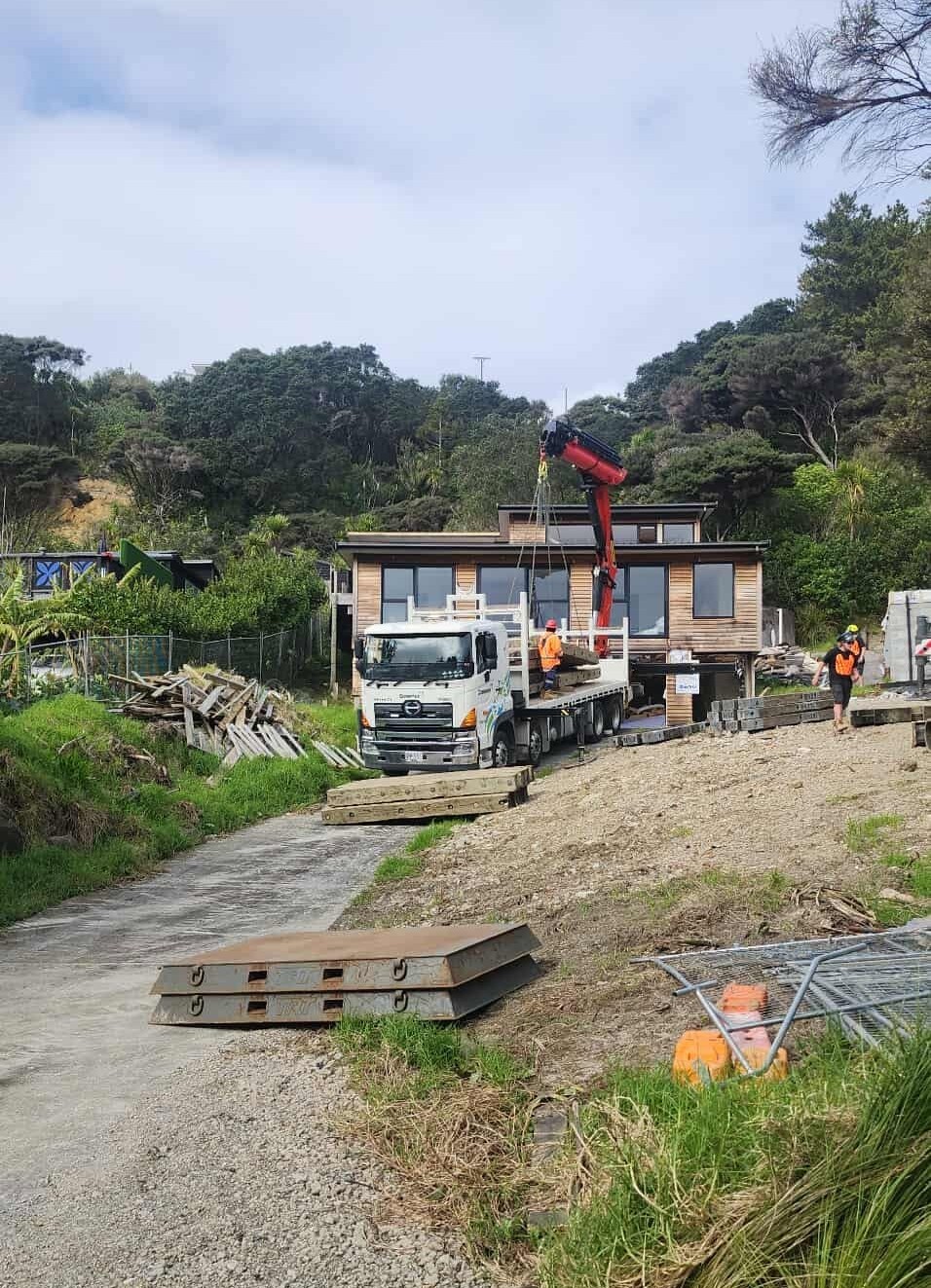
The environmental benefit of relocation also extends well beyond the moment a house is moved. Keeping an existing home intact means a much greater portion of its structure, materials and embodied energy can continue to be used, reducing the demand for new building materials and avoiding the waste that would otherwise be generated through demolition.
For the Muriwai Cluster, the four relocations demonstrated that even in challenging locations, careful planning can make relocation a practical part of disaster recovery. By working closely with the community, managing disruption and finding solutions around the area’s difficult access, the TROW team was able to help give four homes a new future while supporting a more circular approach to recovery.
Project Highlights
A note on our relocation figures
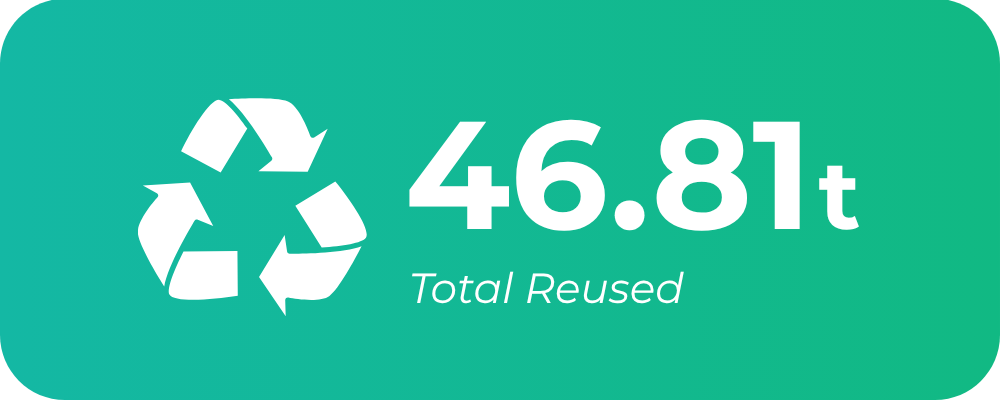
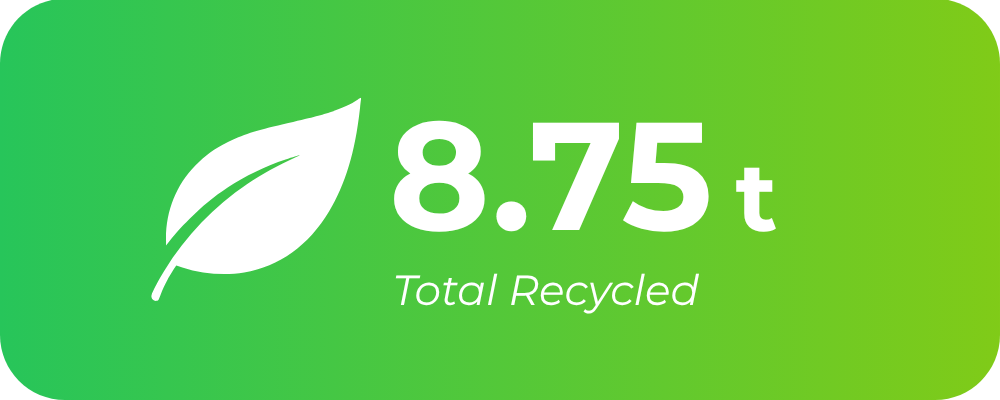
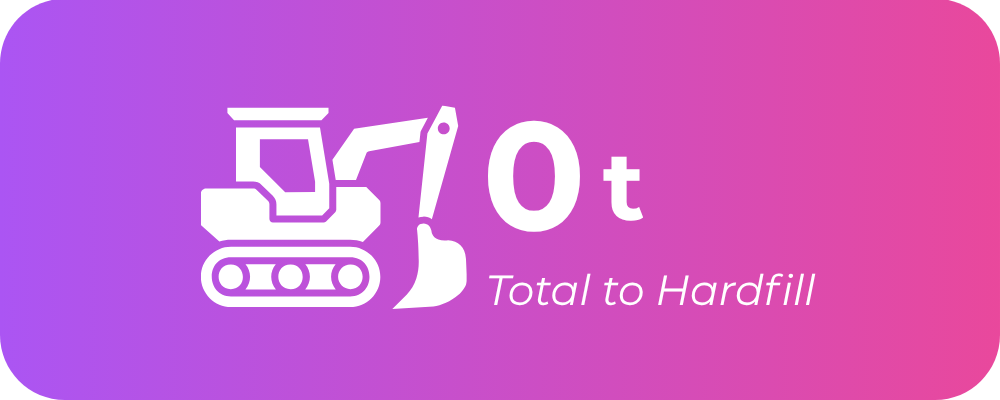
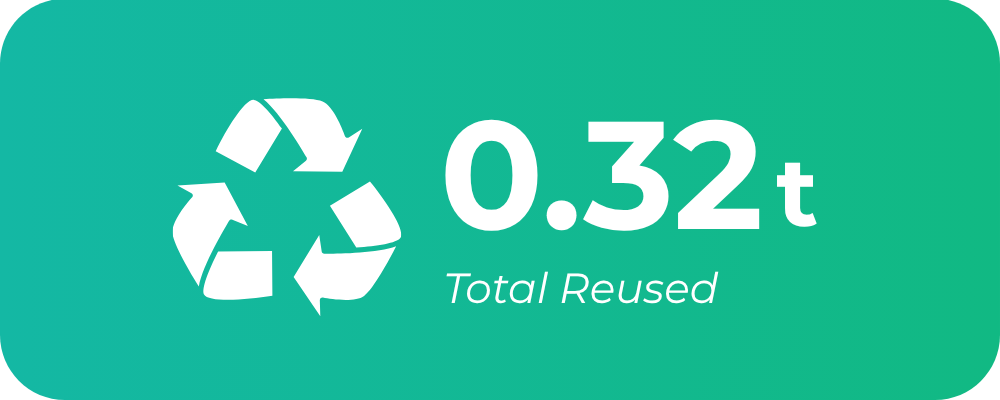
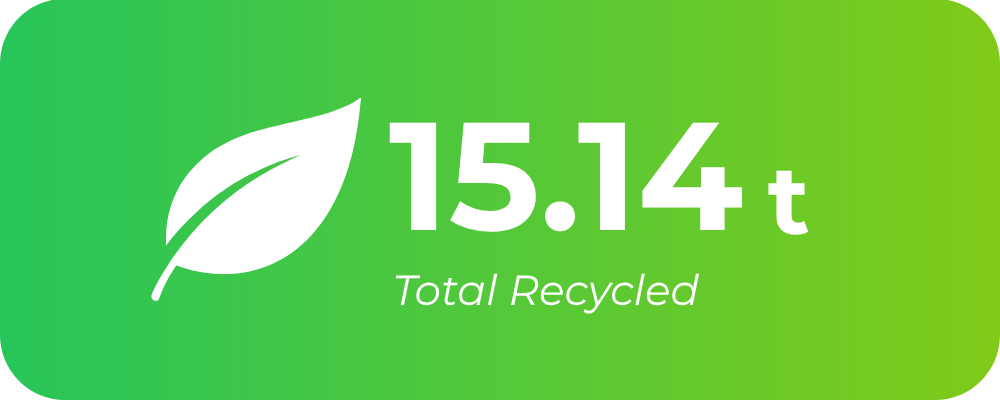
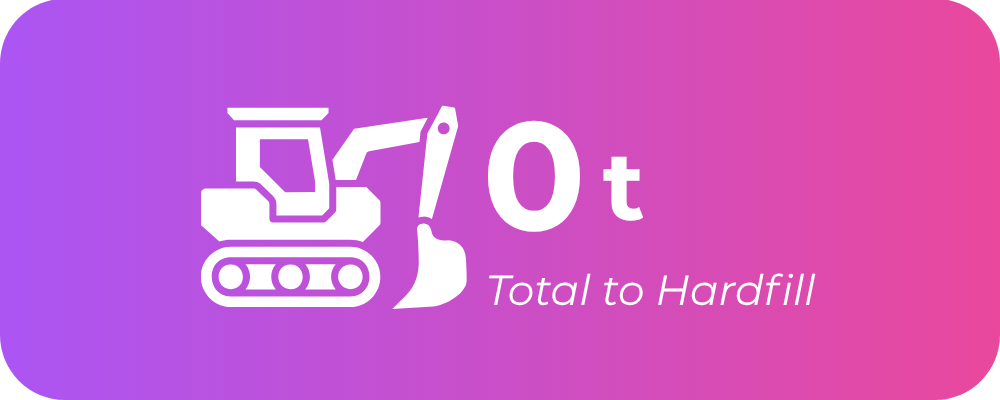
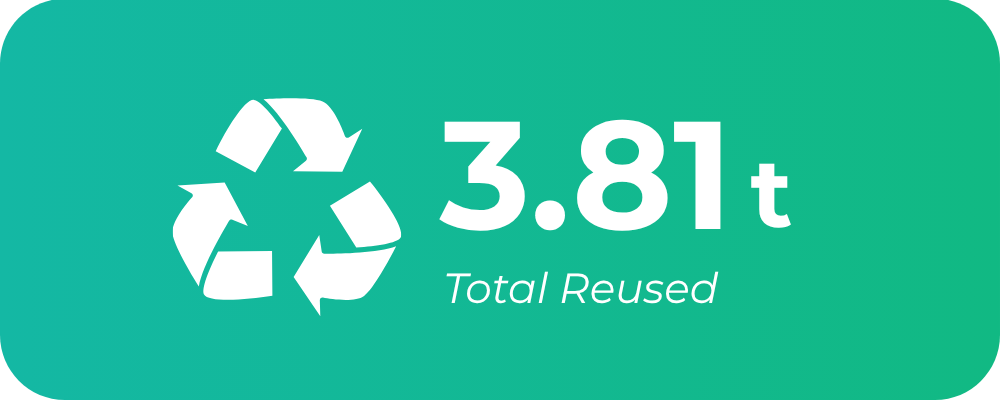
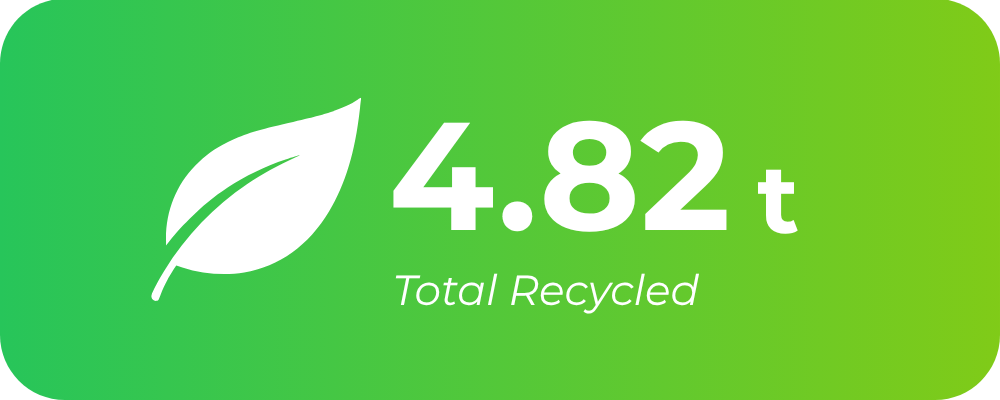
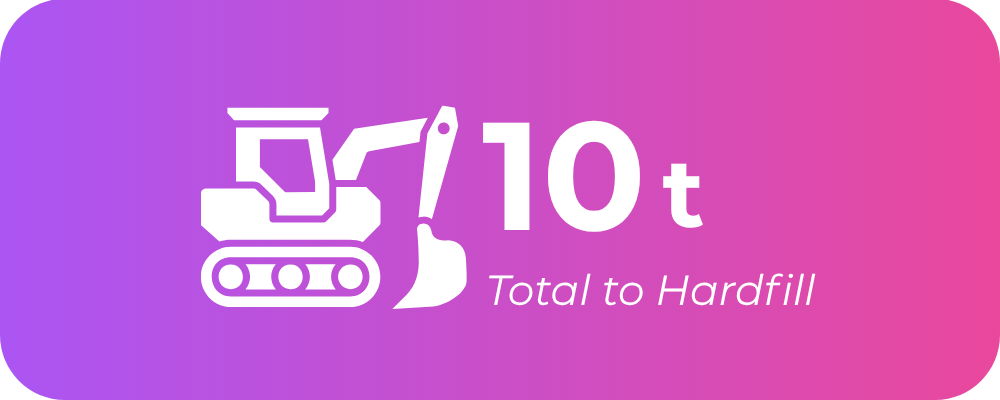
When we relocate a house, the house itself isn’t included in the waste recovery tonnage below. That’s because the entire structure has been retained and moved for continued use, rather than being processed as demolition waste.
The figures instead capture the materials generated around the relocation process, including materials removed during preparation and associated site works. These materials are then tracked through reuse, recycling, hardfill and landfill.
So while the relocated house represents a significant form of reuse in its own right, it isn’t counted within the tonnage table. The table measures the recovery of materials generated during the relocation works, not the weight of the house itself.
126 Domain Crescent, Muriwai
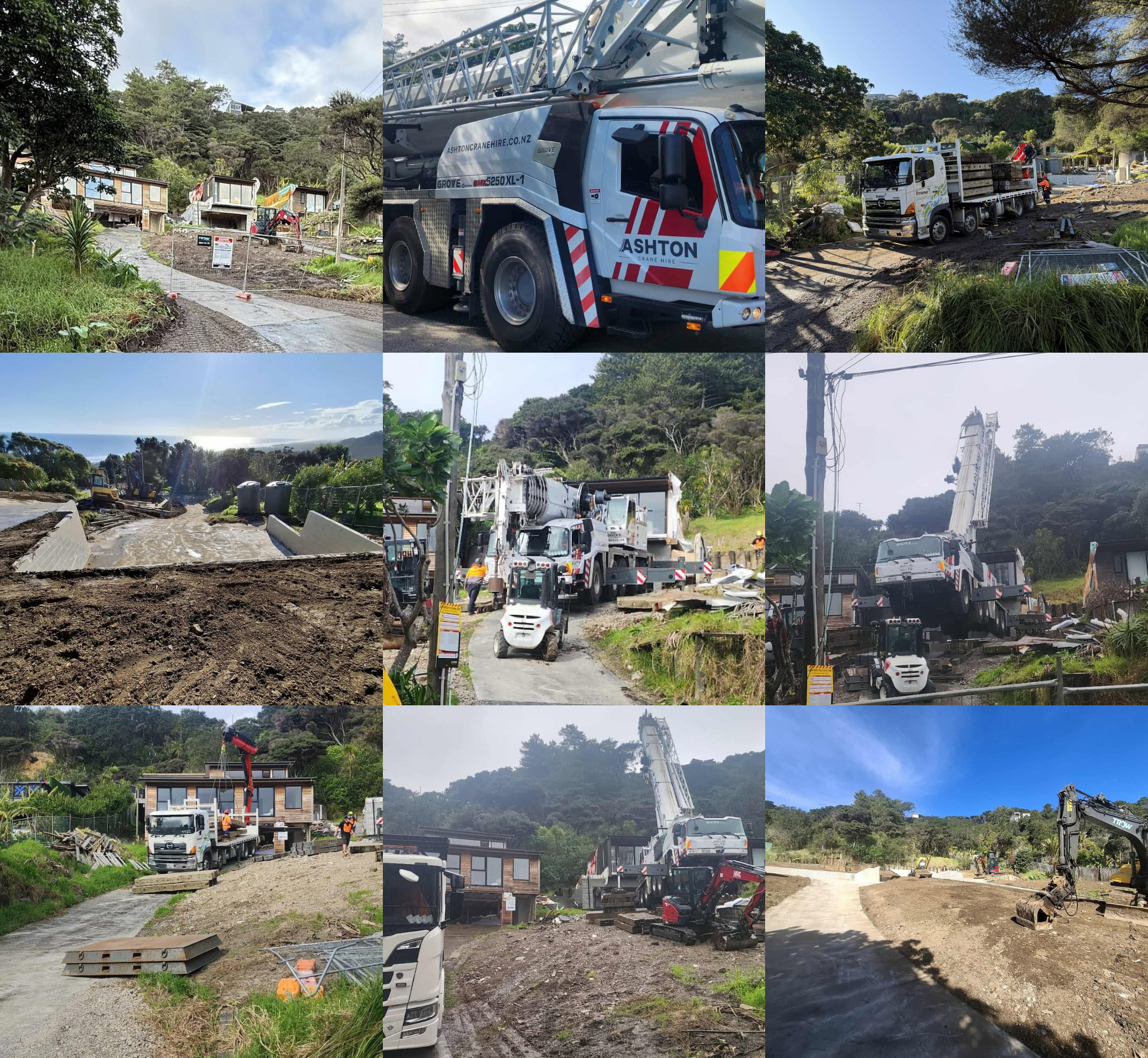




61 Domain Crescent, Muriwai
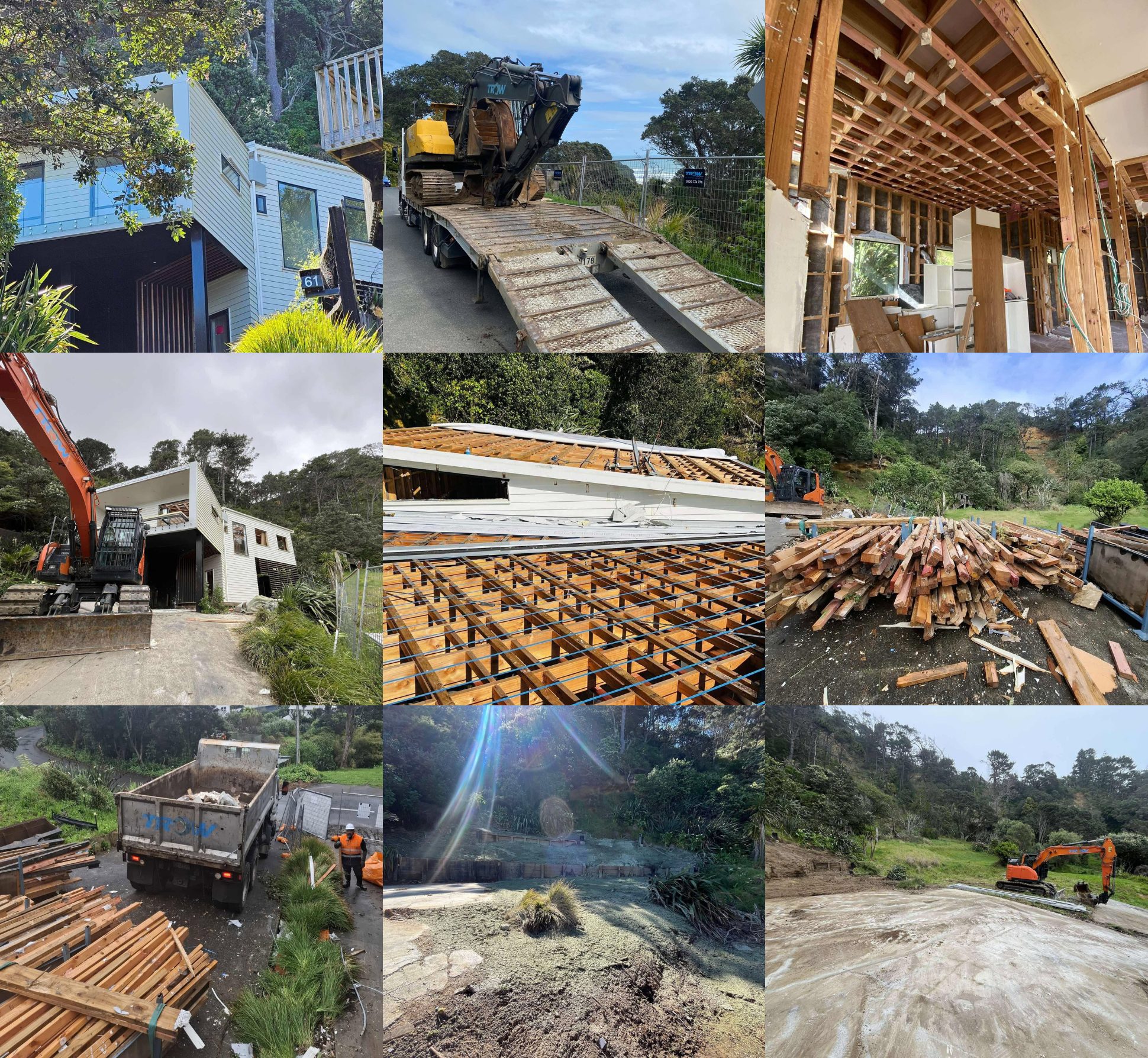

46 Domain Crescent, Muriwai

128 Domain Crescent, Muriwai

Back